

How Many Cups Can You Make From 1 Kg of Coffee Beans?
You may be wondering how many cups you can make from a kilogram of coffee beans if you're a coffee enthusiast or manage the coffee supplies in your workplace. A simple calculation, without taking in waste from spillage or turning on the grinder will reveal that a kilo of beans could yield about 142 espresso shots.
Cost
If you purchase coffee in bulk, you will save money. You can also enjoy an extra fresh, flavorful cup of coffee. It is important to properly store your coffee to ensure its flavor and texture. This can be done by keeping the coffee in a sealed container.
The cost of 1 kg of coffee beans is dependent on the type of coffee you choose to purchase. For example, if you buy whole bean coffee, it will be cheaper than ground coffee that is pre-ground. You should also consider how much coffee you drink on a regular basis. The average coffee drinker can make 142 cups of single-serve espresso using 1 kilogram of beans.
There are many factors that contribute to the price of coffee beans, such as shipping charges warehouse storage charges customs fees, as well as profits that are claimed by the importer. These costs can add up, especially if you're purchasing your beans from a large chain retailer. In addition, the price of coffee could fluctuate due to currency exchange rates.
Coffee production first began in Ethiopia in the year 2000, when a goat herder was able to experience the stimulating effects of the plant. From there the cultivation of coffee spread across the globe. Coffee is currently grown in a variety of locations each with its own unique flavor and distinctive particularities. Arabica and Robusta are the most popular types.
When roasting green coffee beans lose between 15 and 18% of their initial weight. The beans' water expands and reduces the volume. One kilo bag can hold approximately 8,000 coffee bean. The amount of cups you can make from a kilogram depends on the coffee bean type and roasting style.
A 1kg bag of coffee beans could make 120-140 cups of espresso coffee, with that there is zero waste. The average espresso shot is 30ml, and utilizes seven grams of ground coffee. One kilogram of coffee beans can last about 10 weeks if you consume two cups daily.
The amount of coffee discarded during the grinding stage is another aspect that can influence the cost of one kilogram. This includes ground that is removed from the grinder, as well as coffee that is spilled onto the counter. These wastes could reduce the amount of cups you can make from a Kilo.
Quality
The quality of the coffee beans will determine the amount of coffee you can prepare. The better the quality of the coffee, the more flavors it will possess and the better the flavor. You should stay clear of expensive beans that are stale and have lost their flavour. In the ideal scenario, you should purchase fresh and premium coffee beans from a trusted supplier.
When shopping for coffee beans, be sure you check the packaging and ask questions regarding the quality of the beans. For example, how the beans are handled and stored after harvesting can have a huge impact on the flavor and consistency.
Roasting beans also depends on the quality of the beans. The fluctuations in temperature during roasting cause chemical reactions that result in the distinct flavours we associate with a quality cup of coffee. If the beans are not fresh enough or the roasting is not done correctly the quality of the coffee will be compromised.
Another factor that affects the quality of the coffee is the kind and amount of caffeine it has. You may need more coffee to achieve the desired effect for those who prefer a stronger coffee, while some people like to drink it weaker and less caffeinated. The amount of coffee you consume is also influenced by grind size, brewing technique and the way you prepare it.
It is a smart decision to buy coffee beans in large quantities. You will save money while enjoying the best coffee experience. In addition to saving money, buying in bulk reduces the amount of waste that is produced. Additionally, it's an excellent way to test new coffee varieties and gain an appreciation for what you really enjoy in your coffee. Furthermore, the ability to experiment with different grind sizes and brewing methods can expand your coffee appreciation even more.
Variety
There are many different types of coffee beans on the market. Each one has its own distinct flavor and aroma. Choosing the best beans for home-brewed coffee is an essential step towards brewing the perfect cup of coffee. It is also recommended to purchase your beans from a roaster that supports fair trade and sustainable sources. You can also select organic or Rainforest Alliance certified coffee beans to support eco-friendly and ethical production.
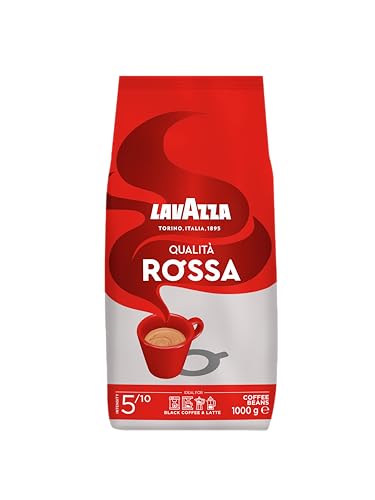
The quality of the coffee beans you choose will directly affect the amount of espresso you will get at the end. For 1kg of coffee beans , if you are using an espresso machine, you will require more beans than a filter coffee maker. This is because the process of making espresso requires a large amount of finely ground beans that need to be compacted into a small area. In addition, your taste preferences and the method of brewing can play a significant role in how much you will be able to get through.
By purchasing whole beans you can experiment with different grind sizes and brewing methods. This ability to try new brews enriches your coffee experience and allows you to discover your own tastes. Also, buying in bulk reduces packaging waste and is better for the environment. This is because less bags and containers are needed to store one kilos of coffee. Coffee grounds are a byproduct of the brewing process and can be composted.
A kilogram of coffee beans will produce between 55 and 100 cups, based on your preference for flavor and the brewing method you prefer. When you are shopping for coffee, ensure that you choose the highest quality beans you can afford. The higher-end beans have better flavors and a variety of choices, including single-origin and fair-trade beans. These higher-end beans are typically more expensive, however they offer more value overall for the money. In addition, they are often cooked at lower temperatures to preserve the natural flavor of the beans.
Sustainability
The coffee bean is the fruit-bearing component of the coffee. The fruit is a yellow, red, or purple color, with a thin skin and consists of mainly seeds. The coffee bean is a seed within the fruit. It has two kinds of caffeine: theobromine or theanine. Theobromine is a stimulant, whereas theanine is relaxing. When consumed, the two chemicals are combined to create an euphoric feeling in the brain. The amount of caffeine contained in the cup of coffee will depend on the method of brewing and the size of the grind. For instance, espresso requires more beans than drip or French press coffee. The coffee brewing method also determines the amount of cups you can make from 1 kg of coffee beans.
A Kilo of coffee beans can produce anything from 55 to 100 cups, depending on the method of brewing and your personal preferences. A kilo lasts for about five weeks, or six cups a day for the average person. It's important to note that a double espresso shot requires twice the amount of coffee beans as a regular one, so the number of beans is less.
To make coffee more sustainable the coffee industry is adopting various strategies. These include improving the efficiency of coffee machines and reducing greenhouse gas (GHG) emissions during production and enhancing soil carbon content. In addition, the coffee industry has created a variety of certification strategies to encourage sustainability. Fairtrade, Rainforest Alliance and UTZ Certified are some of the certification schemes. These certifications establish standards for coffee production and assist consumers find products that are sustainable and ethically produced.
While coffee is a fairly low environmental footprint It's important to recognize that the sourcing and transporting of coffee beans contribute to its global GHG footprint. International transportation accounts for approximately 15% of coffee's total GHG emission. This can be decreased by decreasing the use of agrochemicals during cultivation as well as using more efficient water heating, and roasting coffee beans prior to exportation. The use of cargo ships instead of freight flights is another option to cut down on GHG emissions when importing and exporting of coffee.